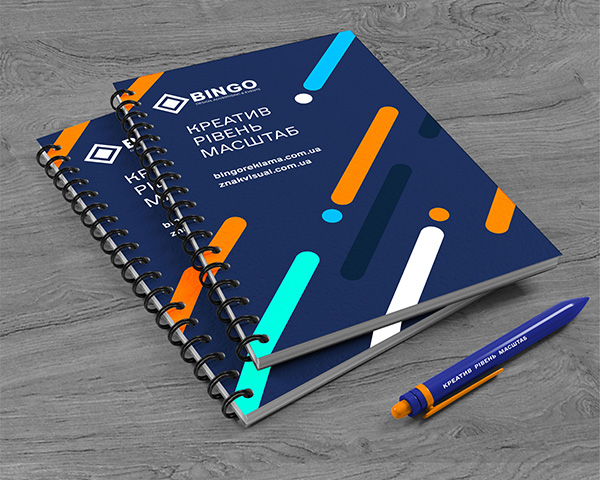
Branding — a tool for building a strong business image
Branding is a key element in creating a recognizable and successful brand. This comprehensive process covers various methods and tools that help shape a company’s unique image and attract customer attention.
What Types of Branding Are There?
Corporate branding
It consists in creating a unified company style (products, advertising, marketing materials) to increase brand recognition and build strong emotional connections with the brand.
It includes the logo, corporate colors, fonts, slogans, and other elements of corporate identity.
Product branding
Intended for promoting a specific product or product line (including the development of new items or business directions).
This includes the development of unique packaging design, labels, and advertising materials (both online and offline) that highlight the product’s advantages.
Advertising branding
This includes the development of any advertising campaigns in a unified corporate style. The tools may vary, but all of them adhere to a single visual concept.
Used for outdoor and indoor advertising, commercials, flyers, and banners.
Interior branding
This is the transfer of the corporate style into the company’s premises, creating a unified philosophy of the space and the way work is conducted within it.
This includes the design of offices, stores, and exhibition halls in accordance with the brand’s key concept.
Transport branding
Its essence lies in placing advertising information on vehicles. This can include both company-owned transport and third-party advertising platforms (for example, public transport).
Applying logos, slogans, and advertising images on cars, buses, trains, and more.
Digital branding
Development of digital materials for the brand: SMM, website banners, advertising banners in Facebook or Google Ads. Everything that helps increase brand awareness in the online space.
May include all tasks related to website development, social media, online advertising, and content marketing.
What Should You Know About the Features of Branding?
-
Consistency (all brand elements must be consistent and match the company’s overall style)
-
Uniqueness (branding should highlight the company’s unique features and differentiate it from competitors)
-
Emotional connection (a successful brand creates positive emotions and associations for customers)
-
Longevity (well-thought-out branding serves the company for a long time and remains relevant)
-
Adaptability (the brand should adapt to different formats and media while maintaining recognition)
Why Choose the Bingo Team?
-
15+ years of experience (we have worked and continue to work with a wide variety of brands, so we know exactly how to create a successful brand)
-
Custom solutions (each project is developed taking into account the client’s specific features and needs)
-
Comprehensive services (we offer a full range of services, from concept development to implementation of the finished solution)
Ready to create a strong image for your business?
Leave a request for a consultation or give us a call!